Tooting Removals in Tooting

Tooting removals should feel organised, careful and straightforward from the first enquiry through to delivery at the new address. We provide a practical moving service for homes and flats, with support for lifting, loading, transport and unloading in a way that keeps the day moving at a sensible pace. If you need help with a full household move, a smaller shift or selected items only, the focus is on making the move manageable without unnecessary complication.
Our removals work covers the handling of furniture, boxed belongings and everyday household contents, with options that can be matched to the size of the property and the amount to be moved. For customers comparing removal services and broader moving help, the main aim is to offer a clear route from planning to completion. That usually means understanding what is being moved, how access works at each end and whether packing support or a simple transport-only arrangement is the better fit.
Use the service when you want one provider to manage the practical side of moving rather than juggling separate arrangements. Careful handling, sensible loading and an orderly approach matter just as much as the vehicle itself. If you are ready to compare options, you can ask for a quotation in plain terms and then decide how much support you want for the move.
House moves and flat removals
House moves need a plan that reflects the property, not just the distance between addresses. A family home with bedrooms, wardrobes and mixed storage needs different loading from a compact flat with stairs, limited parking or larger single items. We can support a range of domestic removals, with a layout that keeps breakables separate from heavier goods and gives larger furniture the space it needs in the vehicle.
For people moving out of rented accommodation, shared homes or long-occupied properties, the work often comes down to sequencing. Items that will be needed last are loaded first, and fragile boxes are kept accessible so they can be handled with extra care at arrival. If you are comparing home moves with a more basic man-and-van option, it helps to think about how much lifting, dismantling and time the move is likely to involve.
Useful preparation is simple and does not need to become a second project. A short inventory, a note of awkward items and clear access details usually give enough information to shape the move properly. Good preparation makes it easier to protect furniture and keep the loading sequence logical, especially where parking or stair access may affect how the team works on the day.
Preparing furniture and household items for transport

Many removals go more smoothly when larger items are prepared before the vehicle arrives. Bed frames, tables, shelving and similar furniture may need to be separated or wrapped to travel safely, and smaller loose parts should be kept together so they do not go missing in transit. The point is not to make the customer do the work alone, but to reduce delays and avoid rushed decisions once loading has started.
If you want more organised support with boxes, wrapping and room-by-room packing, the service can be paired with packing and unpacking services. That helps when there is limited time, when belongings need extra protection, or when a property contains a mixture of everyday items and more fragile household contents. The right level of help depends on the volume of goods and how much sorting is still to be done before moving day.
There are also practical limits worth bearing in mind. Very heavy, awkward or oversized items may need extra time and a sensible loading order, while delicate pieces benefit from being set aside rather than rushed into the general pile. If something is valuable, fragile or unusually shaped, say so early. Clear information about access and item types is often more useful than a long explanation of the whole move.
Man and van removals for smaller loads
Not every move needs a full-size domestic removal. A smaller load, a short-notice item transfer or a move between compact properties may be better suited to a flexible van-based service. That can suit students, first-time movers, flat shares and customers moving selected furniture rather than an entire household. The benefit is a simpler setup that still gives structure to loading and transport.
Our man and van option is useful when the job involves fewer items but still needs proper handling and a reliable arrival window. It can also work well for collecting items that have been purchased separately, shifting belongings after a declutter, or moving goods between storage and home. The service is still a removals task, just scaled to the amount that actually needs moving.
Smaller loads can still be time-sensitive, particularly where stairs, parking restrictions or bulky furniture make access less simple than it first appears. In those cases, the main choices are whether items can travel together, whether anything needs dismantling and whether extra hands are sensible for lifting. Choosing the right scale of service helps avoid paying for more capacity than the job requires.
Office and business removals
Domestic removals are the core service here, but business customers also need moves that are organised and careful. Office relocation involves desks, chairs, storage units, files and equipment that must be moved without creating confusion at either end. The arrangement needs to support both the physical transfer and the order in which items will be unpacked and put back into use.
Where an office move is involved, office removals offer a structured way to move furniture and contents together rather than splitting the job into separate trips with no clear sequence. This is especially useful when there are desks to move first, smaller equipment to protect and storage items that must remain grouped. Business moves often benefit from a more methodical loading plan than a standard house move.
For some customers, the key question is not simply how much is moving, but how the move should be staged. A clear plan can reduce interruptions, limit the risk of items being mixed together and help the destination become workable again more quickly. That is why it is sensible to identify any computers, specialist kit or high-priority furniture before the move begins.
Planning the move and understanding quotations

A quotation for removals is usually shaped by a few practical factors rather than a single headline figure. The volume of items, the amount of lifting involved, access at each property, the distance travelled and whether packing support is needed all affect how the work is put together. A transparent quote should reflect the actual move, not a generic assumption about what a house removal looks like.
If you are comparing services or want a clear idea of likely costs, the pricing and quotes page is the natural place to start. It helps to think in terms of the kind of job, the size of the load and any limitations such as narrow stairs, awkward parking or heavy furniture. When those details are known early, the quotation can be based on the move itself rather than broad guesses.
Two simple pieces of information often make the biggest difference: what is being moved and how it can be accessed. You do not need a long explanation, but you do need enough detail for the move to be priced properly. That usually means a shorter, more useful conversation and a plan that matches the work, which is better than discovering complications on the day.
About Tooting
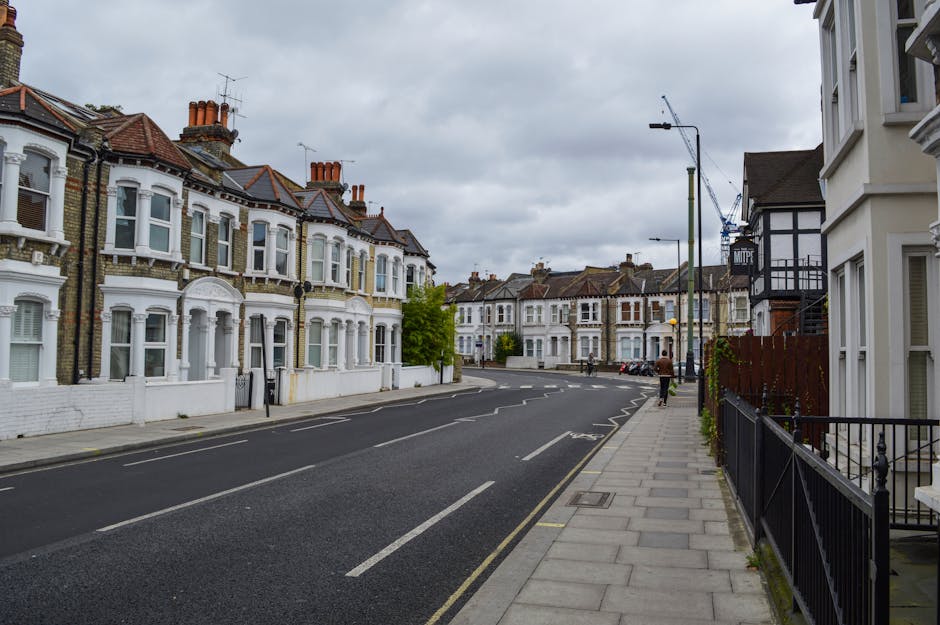
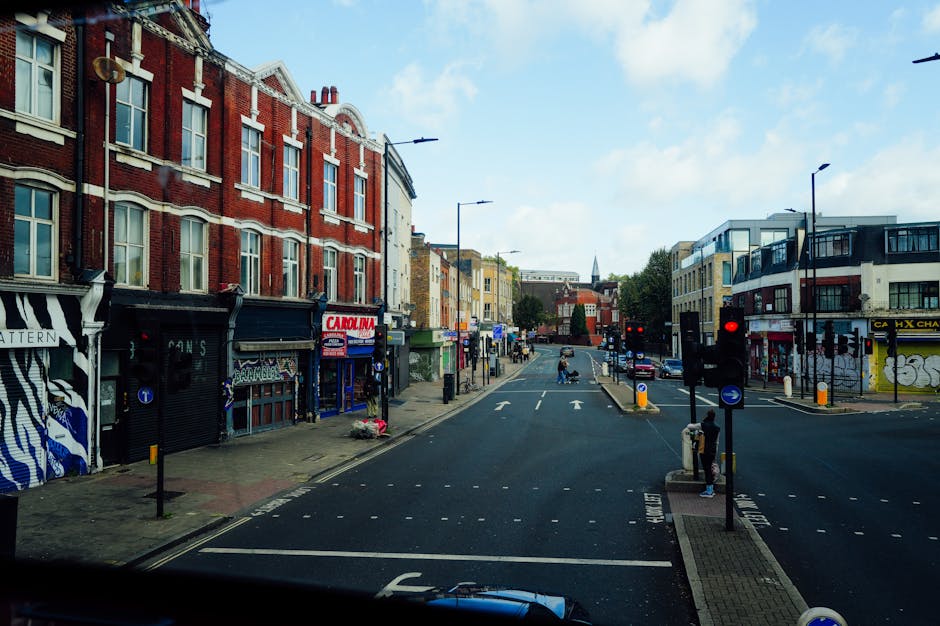
Tooting is a district in the London Borough of Wandsworth, in south London, known for its busy high streets, transport links and a mix of long-standing residential streets and more recent development. Tooting Broadway and Tooting Bec are the best-known Underground stations, both on the Northern line, and the area sits within easy reach of neighbouring parts of south-west London. The district includes a strong retail corridor along Tooting High Street and Mitcham Road, where independent shops sit alongside everyday services and eating places. One of the most recognisable local landmarks is Tooting Market, a covered market with a long trading history that has become part of the area’s modern identity. Nearby green space adds to the local character: Tooting Commons, made up of Tooting Bec Common and Tooting Graveney Common, provide extensive open land, sports areas and paths that contrast with the denser streets around the centre. The commons form an important part of the district’s geography, with open views that interrupt the urban pattern and give the area a clear sense of place. Tooting also has a varied building stock, ranging from terraces and mansion blocks to newer apartment schemes, which reflects the way the district has grown over time. Its built environment, market culture and transport access make it one of the more recognisable and active parts of south London.
Household removals with a practical loading plan
Domestic moving works best when the loading plan is based on what each room contains, not just on rough estimates. Bedrooms, living rooms, loft spaces and kitchens all produce different types of items, and they should not be handled in the same way. Softer household goods can often be grouped together, while heavier furniture, appliances and fragile belongings need separate attention. A sensible order helps reduce shuffling and makes unloading easier at the destination.
Where a customer wants a more complete home move rather than a small item transfer, house removals describe the main domestic moving service clearly. It suits people moving from one home to another who need a coordinated approach to transport and handling. The service can be shaped to include the items that matter most, from wardrobes and beds to boxes of books, kitchen contents and general household goods.
It is also worth noting that domestic removals are rarely identical from one property to the next. A top-floor flat, a terraced house with narrow access or a larger family home all require different choices about how much help is needed. This is where a measured, no-drama approach is useful: identify the furniture, note the access and let the move be planned around the reality of the property.
Specialist handling for larger or awkward items

Some moves turn on a few difficult pieces rather than the full contents of the property. Wardrobes, dining tables, sofas, white goods and other bulky items may need special positioning, wrapping or disassembly before they can be loaded safely. When these pieces are moved in the right order, the rest of the job becomes much easier to organise and far less likely to stall.
For customers comparing a more general removals arrangement with a dedicated vehicle and lifting setup, moving van pages can help clarify the transport side of the job. A vehicle-based move is useful when the load is substantial but still needs a straightforward, practical setup rather than a large-scale operation. The important thing is matching the vehicle and crew to the furniture, boxes and access conditions involved.
Awkward items are usually best discussed early so the move can be planned around them instead of treated as an afterthought. That may mean allowing time for careful dismantling, protecting surfaces, or deciding in advance which pieces need to go first. Simple, precise notes about size, weight and shape are often enough to keep the move realistic and orderly.
Why a removals service is easier to plan well
A properly organised removals service gives the move a sequence, which is often the part people find hardest to create on their own. Instead of trying to fit furniture around private vehicles, schedules and last-minute lifts, the job can be handled with a single transport plan and a clear loading process. That does not make the move effortless, but it does make it far easier to manage in a practical way.
There are also other service pages that can help customers refine what they need. For example, removal services gives a broad overview of moving support, while more specific pages can help with particular situations such as homes, offices or selected-item transport. Choosing the closest match to the actual job usually produces a better outcome than trying to force every move into the same category.
When deciding how to proceed, think about the move in two parts: what must be protected and what must be delivered on time. Those two priorities tend to determine whether the job needs packing support, a larger vehicle, or a more detailed loading plan. If the move feels complicated, break it into the pieces that will matter on the day and ask for a quotation based on that structure.
Contact us for a quotation

If you are looking for Tooting removals and want a clearer idea of the work involved, the next step is to request a quotation based on the move itself. It helps to mention the property type, the main items to be moved and anything that might affect access, such as stairs or limited parking. Contact us when you are ready to compare the options and arrange the right level of removal support.
A concise enquiry is usually enough to begin: the move date or preferred timeframe, the start and end locations, the furniture that needs moving and whether packing is already under control. From there, the service can be matched more closely to the practical demands of the job. If the move is small, a van-based arrangement may be sufficient; if it is larger, a fuller domestic removal may be the better answer.
Whether you are moving a few rooms, a full household or a smaller set of belongings, the goal is the same: a clear plan, careful loading and a straightforward delivery. Ask for your quotation now and take the first step toward a move that feels organised rather than rushed.