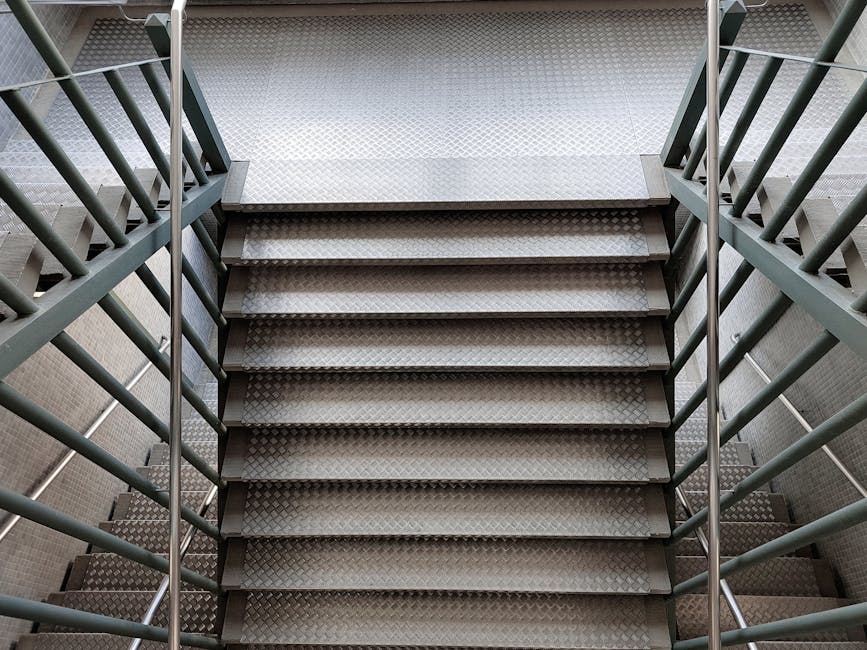
Flat removals at Tooting Market checklist for narrow staircases
Moving a flat near Tooting Market sounds straightforward until you meet the staircase. Tight bends, awkward landings, low ceilings, sharp turns, and a neighbour's bicycle parked exactly where you need to turn a wardrobe - that is where the real work begins. This guide to Flat removals at Tooting Market checklist for narrow staircases breaks the job down into clear, practical steps so you can move without panic, damaged walls, or the usual last-minute scramble. Whether you are leaving a compact flat above a shop, moving into a converted Victorian building, or just trying to get a sofa down one very unfriendly flight of stairs, the right checklist makes all the difference.
We will cover how these moves work, what to measure, what to pack first, how to protect stairwells, and when it makes sense to book help such as man and van support or a more structured removal service. If you are planning carefully, you are already ahead. Truth be told, narrow staircases are where good preparation pays for itself very quickly.
Table of Contents
- Why this kind of move matters
- How the move works in practice
- Key benefits and practical advantages
- Who this is for and when it makes sense
- Step-by-step guidance
- Expert tips for better results
- Common mistakes to avoid
- Tools, resources and recommendations
- Law, compliance and best practice
- Options and comparison table
- Case study example
- Practical checklist
- Conclusion
- Frequently asked questions
Why Flat removals at Tooting Market checklist for narrow staircases Matters
When a move involves narrow staircases, the staircase becomes the main constraint. It is not just about lifting heavier items. It is about angles, clearances, surface protection, timing, and coordination. A bulky wardrobe might fit through the front door but still fail at the first turn. A mattress can look harmless until it blocks the entire stairwell. And a fridge? That can become a two-person argument with gravity if nobody planned the route.
Near Tooting Market, many flats sit in older buildings, converted spaces, or upper floors above commercial units. These properties often come with slim stairs, tight entrances, or shared access areas. That means the move has to be done methodically. If you rush, you increase the risk of scratches, chipped plaster, strained backs, and neighbour complaints. If you plan well, the whole thing feels calmer, even if the hallway is a bit awkward and the weather is doing that classic London drizzle thing outside.
This matters for another reason too: efficient planning saves money. The less time the movers spend wrestling with preventable problems, the smoother the booking tends to be. If you are comparing removal companies, the best ones will ask the right questions early, because they know a narrow staircase changes the whole job.
How Flat removals at Tooting Market checklist for narrow staircases Works
A narrow-staircase removal works best as a controlled sequence, not a free-for-all. First comes the survey: measure the items, the stairwell, the landings, and the entry points. Then comes sorting: decide what is moving, what is being dismantled, what needs wrapping, and what should be carried separately. After that, the route is prepared, fragile surfaces are protected, and the load order is planned so the most awkward items are handled at the best moment.
The move itself usually starts with the easiest items. Boxes go out before bulky furniture, because clearing space helps the team move safely. Large items are often tilted, rotated, or carried on their side if appropriate, but only when the route allows it. A good crew will communicate constantly: "door frame", "pause", "turn", "lift", "clear landing". It sounds simple, but that steady chatter is what prevents bumps and bruises.
For many people, this kind of move is a good fit for a smaller vehicle and a careful team rather than a huge truck. Services like moving van support can suit compact flat removals where access matters more than sheer volume. If you have a lot of belongings or oversized furniture, then the plan needs to account for both capacity and staircase geometry. The staircase wins every time if you ignore it.
Key Benefits and Practical Advantages
A proper checklist does more than reduce stress. It changes how the move feels from start to finish. You are no longer reacting to problems; you are preventing them.
- Less damage risk: Wall corners, banisters, and furniture edges stay better protected.
- Faster loading: Clear priorities mean fewer delays on the day.
- Safer lifting: Good planning reduces awkward carrying and sudden twists.
- Better access management: Shared hallways and stairwells stay usable for neighbours.
- Cleaner decision-making: You know what must be dismantled, wrapped, or left behind.
- More accurate quotes: Firms can price the move more fairly when access is explained clearly.
There is also a psychological benefit, which people sometimes forget. A narrow-staircase move can feel daunting before it begins. Once you have a structured plan, the whole thing becomes manageable. Not easy, maybe, but manageable. And that counts for a lot on moving day.
If you want a broader service that covers packing, loading, and careful handling, look at packing and unpacking services. When the staircase is the problem, removing chaos from the rest of the move is a very sensible win.
Who This Is For and When It Makes Sense
This checklist is for anyone moving out of, or into, a flat where stairs are tight enough to slow the job down. That includes:
- students moving between upper-floor rooms or shared houses
- first-time renters with basic furniture and not much storage space
- couples moving from compact flats near the market and nearby streets
- families downsizing into smaller apartments
- landlords arranging turnover between tenants
- small office or studio operators moving equipment through residential access
It also makes sense if you have a single problem item. One oversized sofa can be more complicated than a whole room of boxes. In our experience, people often think the "big move" is the hard part, but the staircase is what decides the day. That awkward armchair you bought in a rush? It may well become the star of the show.
If you are only moving a few items, a lighter option such as man with van support can be enough. If you are moving an entire flat, the wider home moves service path may be more suitable. The point is to match the method to the access, not just the volume.
Step-by-Step Guidance
Here is the practical sequence we would use for a flat removal with narrow stairs. Keep it simple. Overcomplicating this part only creates more chances for mistakes.
- Measure the access first. Measure stair width, landing depth, ceiling height, doorway width, and any tight corners. Do this before booking if possible.
- Measure your furniture. Write down the height, width, and depth of the bulkiest items. Do not guess. A sofa that "looks about right" is how people end up stuck halfway down the stairs.
- Check dismantling options. Beds, wardrobes, tables, and some shelving often move much more easily once taken apart.
- Sort items by difficulty. Move fragile items, then medium boxes, then the largest furniture in the safest order.
- Protect the property. Use floor coverings, door protection, and padding on bannisters or corners where needed.
- Reserve parking and access space. If a vehicle cannot stop close enough, the staircase issue gets worse because the carry distance increases.
- Pack for carrying, not just storage. Boxes should be small enough to lift safely on stairs. Heavy boxes are fine in theory; not so fine at 7:30 in the morning on a narrow landing.
- Assign roles. One person leads, one spots, and one carries where needed. Too many people on the stairs can actually slow everything down.
- Keep an exit path clear. Shoes, bins, bikes, pushchairs, and random clutter need to move. It sounds obvious, but you would be surprised.
- Review the final sweep. Before the van leaves, check cupboards, loft access, behind doors, and under beds.
If you are handling the move yourself, this is where a careful man and van removals approach can help keep the logistics smaller and more flexible. It is not glamorous, but it is often the right fit.
Expert Tips for Better Results
Small decisions can save a lot of trouble on stairs. Here are the details that usually make the biggest difference.
- Use smaller boxes than you think you need. Narrow stairs punish oversized packing.
- Wrap corners before the move starts. A little tape and padding is cheaper than wall repairs.
- Remove handles, feet, and loose parts. Every centimetre matters in a tight turn.
- Take photos of awkward items. Pictures help identify the best carrying angle and note weak spots.
- Plan the order of exit by route, not by room. Sometimes the item in the back room should go out before the box by the front door.
- Keep water and a quick snack nearby. Proper fuel matters. Yes, even for moving day. Especially for moving day.
One useful habit is to walk the route once with empty hands before the job begins. Look at the narrowest point, the sharpest bend, and the landing where people usually hesitate. Those are your pinch points. They tell you what needs extra protection or a different carrying plan.
If you are comparing assistance options, a straightforward removal company will usually provide a more structured approach than ad hoc help. That can be worth it when the staircase is the main obstacle and not just an inconvenience.
Common Mistakes to Avoid
Most problems in stair-heavy flat removals are predictable. That is the good news. The slightly annoying news is that people still repeat them all the time.
- Skipping measurements. Guessing the fit is a recipe for delay.
- Overpacking boxes. A box that is too heavy is awkward in a hallway and miserable on stairs.
- Leaving furniture assembled when it should come apart. One removed shelf can change everything.
- Ignoring the landing space. A turn is often harder than the stairs themselves.
- Not warning the team about fragile walls or loose banisters. If you know the weak point, say so.
- Forgetting to protect floors. Scuffs on old stair carpets or painted steps are painfully easy to create.
- Trying to move too many items at once. That usually leads to congestion and more lifting, not less.
Another common mistake is underestimating how tiring repeated stair carrying can be. The first load feels fine. By the eighth or ninth trip, your grip changes, your pacing changes, and little errors creep in. This is why the plan matters. It keeps the work predictable when people start getting tired.
Tools, Resources and Recommendations
You do not need a warehouse of equipment to move a flat well. But you do need a few sensible basics.
| Tool or resource | Why it helps | Best used for |
|---|---|---|
| Measuring tape | Confirms whether furniture will fit through the stair route | Planning before booking |
| Furniture blankets | Protects surfaces from scratches and knocks | Sofas, cabinets, tables, headboards |
| Stretch wrap | Keeps doors, drawers, and loose parts secure | Wardrobes, desk units, shelving |
| Floor protectors | Reduces wear on stair treads and hallways | Shared entrances, painted stairs, carpets |
| Small strong boxes | Safer to carry on narrow flights | Books, kitchen items, mixed contents |
| Basic dismantling kit | Helps break bulky items into manageable sections | Beds, tables, flat-pack furniture |
For bulky furniture that cannot be taken apart, careful wrapping and the right carrying method matter even more. If the item is old, heavy, or oddly shaped, you may also want to arrange furniture pick up for things that are no longer worth moving at all. Let's face it, some pieces deserve retirement.
And if you are moving a larger home rather than a single flat, house removals may be the better category to compare, especially when access, not just volume, shapes the plan.
Law, Compliance, Standards, or Best Practice
For a flat removal, there usually is not a single special law about narrow staircases, but there are important UK best-practice expectations around safe moving, manual handling, property care, and risk reduction. A responsible removal job should be planned with health and safety in mind, particularly when people are carrying awkward loads on stairs or through shared spaces.
In practical terms, that means the mover should think about lifting technique, load weight, communication, trip hazards, and the stability of the route. If an item is too heavy or too awkward, it should be broken down or handled differently rather than forced through. Shared areas also need care because other residents still need access. Common sense goes a long way here, though on moving day common sense sometimes hides under a pile of tape.
It is also sensible to check what insurance cover and safety arrangements are in place before the move. If you are comparing providers, review insurance and safety information and the company's health and safety policy so you know how they approach risk, damage prevention, and incident handling. For money matters, the details on pricing and quotes can also be useful because access challenges often affect labour time and vehicle choice.
Best practice is not about making the move sound official and intimidating. It is about being careful enough that nobody gets hurt, nobody gets trapped carrying a wardrobe on a landing, and nobody has to patch up a stairwell afterwards.
Options, Methods, or Comparison Table
Not every move with narrow stairs needs the same setup. The right choice depends on the size of the flat, the furniture, and how tricky the access really is.
| Method | Best for | Strengths | Limitations |
|---|---|---|---|
| DIY with a hired vehicle | Very small moves, minimal furniture | Flexible, low-cost, simple | Hard work, slower, more risk on stairs |
| Man and van | One-bedroom flats, partial moves, lighter loads | Practical, adaptable, good for tight access | Limited capacity for larger furniture sets |
| Full removal service | Complete flat moves, bulky items, time-sensitive jobs | More structured, better coordination, usually less stress | Typically more involved to plan |
| Specialist packing plus removal | Fragile contents or highly cluttered homes | Better protection, less sorting on the day | Can be more expensive, but often worth it |
If the staircase is the main issue, the best method is often the one that reduces friction, not the one that looks cheapest on paper. A well-planned removals near me search can help you compare local options quickly, but always ask about access first. That question reveals a lot.
Case Study or Real-World Example
A typical example: a one-bedroom flat above a shop near Tooting Market, with a narrow internal staircase and a bend halfway up. The tenant had a bed frame, a mattress, a two-seat sofa, a small dining table, six boxes of books, kitchen items, and a chest of drawers. At first glance, the move looked fine. But the sofa was almost as long as the landing was deep, and the chest of drawers had fixed handles that would have snagged the wall on the turn.
What made the move work was not force. It was sequence. The team dismantled the bed frame, removed the drawers from the chest, wrapped the table legs separately, and moved boxes out first to clear the stair space. The sofa went last, after the team had tested the turn and positioned it vertically for the narrowest section. Nothing dramatic, nothing heroic. Just careful planning and steady hands.
The moving day itself took longer than a broad, ground-floor move would have taken. That was expected. But because the route was checked in advance, there were no surprises, no wall scrapes, and no panicked re-arranging in the hallway. That is the real win. Quietly boring is good in removals.
Practical Checklist
Use this as your working checklist for a flat move with narrow stairs. Print it, copy it, scribble on it, whatever works.
- Measure stair width, ceiling height, landings, and entry doors.
- Measure the largest furniture items separately.
- Photograph tricky corners, railings, and tight turns.
- Decide which items need dismantling before moving day.
- Use small, sturdy boxes for anything heavy.
- Label boxes clearly by room and priority.
- Protect floors, bannisters, and wall edges.
- Keep stairways and hallways free of clutter.
- Reserve parking or loading access if needed.
- Confirm insurance, safety, and pricing details in advance.
- Separate valuables and important documents for personal transport.
- Keep a small toolkit, tape, and scissors handy.
- Prepare water, snacks, and chargers for the day.
- Do a final sweep of cupboards, shelves, and behind doors.
- Walk the route once before lifting anything heavy.
A checklist is only useful if you actually use it, of course. But even a half-followed list is better than none. And on a stair-heavy move, that can be the difference between a calm afternoon and a long, noisy one.
Get a free quote today and see how much you can save.
Conclusion
Flat removals near Tooting Market become much easier when you treat the staircase as the main project, not an afterthought. Measure first, pack sensibly, dismantle where possible, and choose the right moving support for the access you actually have. Once you do that, the move starts to feel less like a gamble and more like a plan.
If you are still weighing up your options, start with the layout, the furniture size, and the level of help you really need. That honest assessment will point you toward the right service and save you from the usual moving-day headaches. A smooth move is rarely accidental. It is usually the result of one person thinking ahead while everyone else is still looking for the kettle.
When the boxes are in and the stairwell is quiet again, you will be glad you planned properly. That bit always feels good.
Frequently Asked Questions
How do I know if my sofa will fit down a narrow staircase?
Measure the sofa's longest edge, the staircase width, and the landing turn before moving day. If the sofa is close to the available space, consider removing feet, cushions, or even the cover if that makes handling easier. A good mover will also assess the angle, not just the raw width.
What should I measure before booking a flat removal?
Measure the stair width, ceiling height, landings, doorways, and the biggest furniture items. If possible, take photos of the tightest points too. Those pictures often help more than a quick verbal description.
Is a man and van service enough for a flat with narrow stairs?
Often, yes, if the move is small and the furniture is manageable. A man with a van setup can work well for compact flats, partial loads, or short-distance moves. If the furniture is bulky or the flat is fully furnished, a fuller removal setup may be a better fit.
Should I dismantle furniture before moving it down stairs?
Usually, yes, if dismantling makes the item safer or easier to turn. Beds, tables, shelves, and wardrobes often move more smoothly in parts. Just keep screws, fittings, and labels together so reassembly does not become a mystery later.
How can I protect narrow staircases from damage?
Use floor coverings, corner protection, and padding for bannisters or tight wall edges. Move carefully, keep the route clear, and avoid dragging items. A few minutes of protection can save a lot of repair hassle.
What items are hardest to move on tight stairs?
Large sofas, wardrobes, fridge freezers, mattresses, and awkwardly shaped armchairs are usually the hardest. Heavy boxes of books can also be a problem because they are small enough to ignore but heavy enough to punish you on a second-floor landing.
How far in advance should I plan a narrow-staircase move?
As early as you can, especially if parking, access, or dismantling is involved. Even a short move benefits from a bit of lead time. The earlier you check measurements and route issues, the fewer surprises later.
Will narrow stairs make the move more expensive?
They can, because awkward access may take more time and more care. The exact cost depends on the furniture, distance, access, and whether extra labour or packing help is needed. Clear details usually lead to clearer quotes.
What if my belongings are too big to carry safely?
Then they should usually be dismantled, wrapped more carefully, or handled by a team with the right equipment and approach. For very awkward or no-longer-needed furniture, furniture pick up may be the better option than forcing it through a staircase it clearly dislikes.
How do I prepare shared hallways in a block of flats?
Keep them clear, protect the floors if needed, and let neighbours know when the move is happening. In shared buildings, access matters just as much as the loading itself. A polite heads-up goes a long way.
What should I ask a removals company before booking?
Ask whether they have handled narrow staircases before, what they need measured, how they protect walls and floors, and what insurance is in place. It is also sensible to check their terms and conditions so you understand the booking, cancellation, and service expectations.
Can packing services help with narrow-staircase moves?
Yes, because good packing reduces awkward lifting and helps break the move into cleaner stages. Smaller, well-packed boxes are much safer on stairs than oversized ones filled to the brim. It sounds simple, but it really matters.
What is the best first step if I feel overwhelmed?
Start with measurements and a list of your largest items. Once you know what needs to move and what access looks like, the rest becomes much easier to organise. If needed, get advice from a provider that offers removal services tailored to access-heavy moves. Small step first. That is usually the way.